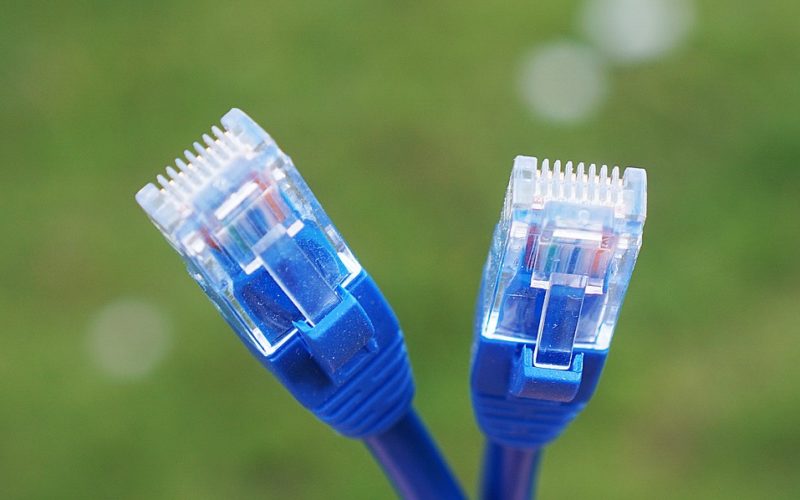
Running the Wires
The internet of everything (IoE) takes the concept of the internet of things (IoT) a step further. Where IoT connects physical devices — your thermostat, your fridge, your front door lock — IoE weaves together people, processes, data, and things into a single intelligent network. The result is a home that does far more than respond to commands. It anticipates, adapts, and communicates.
How a connected home actually works
At its core, a connected home relies on a fast, stable internet connection and a central hub or ecosystem — think Amazon Alexa, Google Home, or Apple HomeKit — that allows devices to communicate with one another. A smart motion sensor near the front door, for instance, can trigger the hallway lights, adjust the heating, and send an alert to your phone simultaneously. Each device feeds data into the system, which learns your habits over time and begins making decisions on your behalf.
Getting started
Before adding smart devices, the foundation has to be right. A router capable of handling multiple simultaneous connections is non-negotiable. Wi-Fi 6 routers are increasingly the go-to choice, offering greater bandwidth and reduced congestion across dozens of connected devices. From there, most households start with a smart speaker or display as the central control point, then gradually add lighting, heating, security cameras, and door locks.
Choosing the right ecosystem
Compatibility is one of the biggest challenges in building a connected home. Not all devices work with all platforms. Choosing an ecosystem early — and sticking to it — saves considerable frustration later. The Matter standard, a relatively new protocol backed by Apple, Google, Amazon, and others, is gradually making cross-platform compatibility more achievable, but checking compatibility before purchasing any new device remains sound advice.
Security and privacy considerations
Every connected device is a potential entry point for cyber threats. Default passwords should be changed immediately, firmware kept up to date, and a separate guest network used exclusively for smart home devices. The data these devices collect — movement patterns, daily routines, voice recordings — is also worth scrutinising. Reading the privacy policies of manufacturers and opting out of unnecessary data sharing where possible is a sensible precaution.
The real-world benefits
A well-integrated connected home delivers genuine, measurable advantages. Smart thermostats such as the Nest or Hive can reduce heating bills by learning when rooms are occupied and adjusting accordingly. Automated lighting cuts electricity waste. Remote monitoring through security cameras offers peace of mind when travelling. For older adults or those with disabilities, voice-controlled devices can meaningfully improve independence and quality of daily life.
The future is already at your door
Connecting a home to the internet of everything is no longer a project reserved for tech enthusiasts with deep pockets. Entry-level smart devices are affordable, setup has become increasingly user-friendly, and the ecosystem of compatible products grows every year. The homes being built and renovated today are increasingly designed with connectivity in mind — from pre-installed smart metres to built-in ethernet ports. Starting small, building gradually, and prioritising security at every stage is the most practical path forward for any household ready to make the shift.